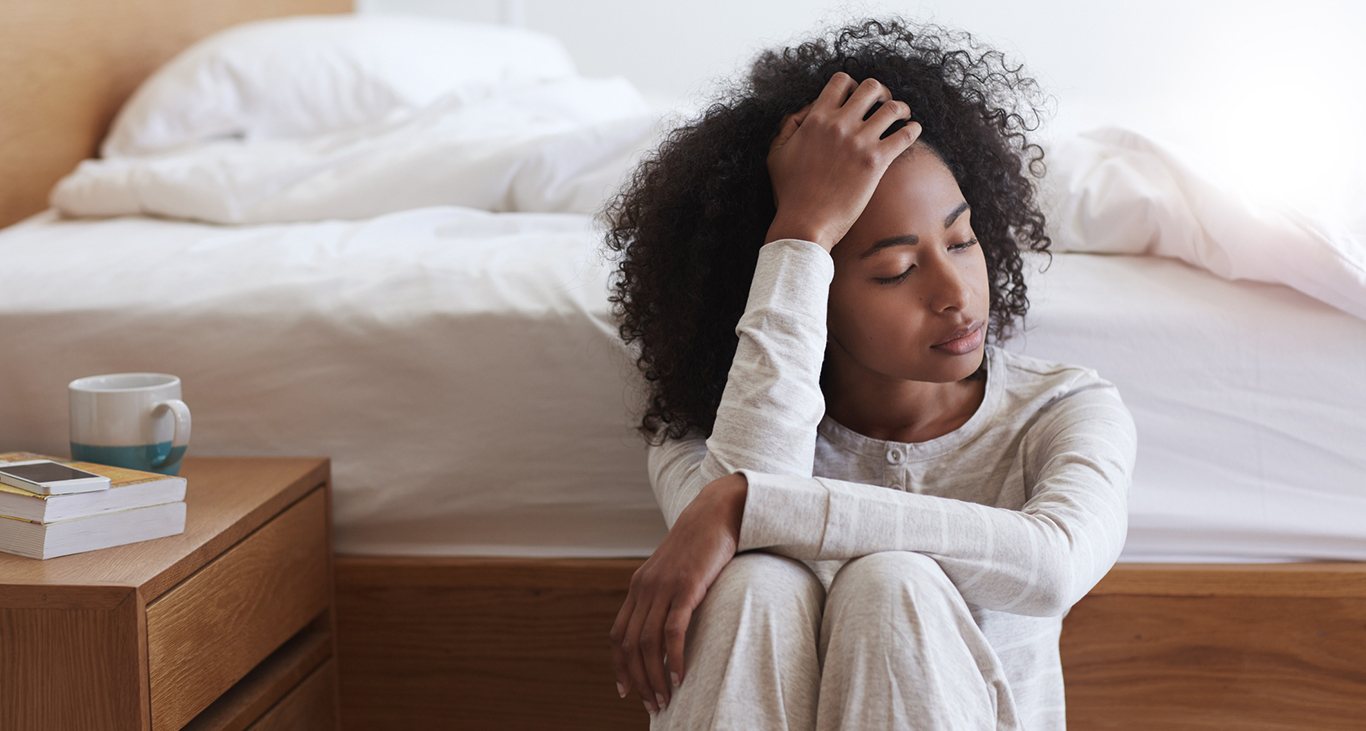
Hangxiety: The Link Between Alcohol and Anxiety
Reading Time: 7 minutesYou might not know what it’s called, but you may have experienced it: a sense of impending doom and feelings of shame and worry the morning after a night of drinking. These emotions are paired with physical symptoms, like shakiness and nausea. This uncomfortable state is known as hangxiety (sometimes spelled hangziety or hanxiety). Also referred to as post-drinking anxiety, hangxiety is a mashup of the word “hangover” and the word “anxiety.” And it combines distressing elements of both.
What You’ll Learn
- What is hangxiety?
- What are the symptoms of hangxiety?
- Does drinking trigger anxiety?
- How can I avoid anxiety after drinking?
Quick Read
Hangxiety, a blend of “hangover” and “anxiety,” describes the feelings of dread, shame, and physical discomfort experienced the morning after drinking. Symptoms include shakiness, nausea, and a racing mind, often accompanied by a fixation on past behaviors while intoxicated.
The causes of hangxiety are linked to changes in brain chemistry due to alcohol. While drinking can initially boost mood through neurotransmitters like GABA, dopamine, and serotonin, their levels drop sharply once alcohol is metabolized, leading to increased anxiety and stress. Other contributing factors include dehydration, sleep deprivation, and interactions with medications.
To manage hangxiety, try self-care practices such as hydration, nutritious meals, and mindfulness techniques can be beneficial. Long-term strategies may involve reducing alcohol intake and addressing underlying anxiety disorders through therapy.
Questions?
We know that reaching out can be difficult.
Our compassionate team of experts is here to help.
What Are the Symptoms of Hangxiety?
As with other forms of anxiety, hangxiety manifests as a combination of symptoms that negatively affect emotional, cognitive, and physical functioning. In essence, hangxiety symptoms are milder versions of the symptoms of clinical alcohol withdrawal. Some experts refer to hangxiety as a “mini withdrawal,” including symptoms such as:
- Feelings of dread
- Racing mind
- Sweating
- Nausea
- Shakiness
- Headache
- Fatigue
- Anxiety for no specific reason
In addition, hangxiety often includes a fixation on what you might have said or done while drinking. You might find yourself replaying everything that happened the night before, and feeling shame and embarrassment about your behavior—even if you didn’t do anything to warrant it.
What Causes Hangxiety?
A number of biological and psychological factors can contribute to anxiety after drinking. The impact of alcohol on brain chemistry plays a significant role. Drinking alcohol stimulates the release of a neurotransmitter in the brain called gamma-aminobutyric acid (GABA). GABA reduces activity in the brain and calms the nervous system, which is one reason alcohol can create a mellow feeling at first. Alcohol also increases the mood-boosting neurochemicals dopamine and serotonin, two mood-boosting neurotransmitters.
Consequently, once the alcohol leaves your system, the feel-good chemicals drop suddenly and the stress hormone cortisol is released. This can result in feelings of anxiety and depression along with other hangover symptoms. Additionally, the more heavily a young adult drinks, the more extreme the changes in GABA, dopamine, and serotonin levels. These spikes and drops can result in intense highs and lows in anxiety and mood.
Additional Causes of Hangxiety
- Dehydration: Alcohol dehydrates the body, and even mild dehydration can increase negative emotions and decrease well-being, according to a study on the effects of water intake on mood in high and low drinkers. In high-volume drinkers, restricted water intake resulted in a significant decrease in contentedness, calmness, and positive emotions.
- Lowered levels of folic acid: Drinking alcohol can cause a drop in folic acid levels, which has been linked with depression and anxiety symptoms.
- Lack of sleep: Going out drinking usually means you get to bed later. Furthermore, alcohol reduces the quality of sleep due to its impact on blood sugar. And sleep deprivation is proven to lower mood and increase anxiety.
- Drug interactions: Alcoholic drink and medication interactions can result in hangover-related anxiety. If you’re taking prescription medication for a diagnosed medical condition or mental health condition, be sure to read the information on how it interacts with alcoholic beverages. Even over-the-counter medications, such as nonsteroidal anti-inflammatory drugs like Motrin or Advil, can increase hangxiety and other symptoms of a hangover.
- Diminished emotional regulation capacity: One study found that the physical alcohol hangover symptoms make it harder for people to cope with stress and difficult emotions.
- Lowered executive functioning: A hangover can also deplete our ability to make decisions, plan, and be mentally flexible, skills that are useful in coping with anxiety.
Why Do Some People Experience Anxiety After Drinking and Not Others?
Research indicates that hangxiety is more common in women. Moreover, young adults who are prone to anxiety or who have a diagnosed anxiety disorder are more likely to experience anxiety after drinking. People with social anxiety, extreme shyness, or panic disorder—particularly panic disorder associated with agoraphobia (fear of crowds)—are especially vulnerable to hangxiety.
Anxiety after drinking may last longer for these groups—possibly the whole next day rather than a few hours. And they may also be at higher risk for developing an alcohol use disorder.
Underlying Mental Health Issues Associated with Hangxiety
It’s not unusual for young adults to drink a little too much and suffer from the physical and mental effects the next day. However, if the drinking-and-anxiety cycle continually repeats itself, mental health issues may be at the root of the problem.
Researchers believe the alcohol-anxiety link can go in both directions. Heavy, ongoing alcohol intake can create a range of physical, social, and mental problems, including anxiety. On the other hand, an anxiety disorder can catalyze excessive drinking as an individual repeatedly uses alcohol to self-medicate distress and painful feelings.
Over time, this maladaptive coping mechanism leads to higher tolerance levels and increased alcohol intake. The person needs to drink alcohol more often and in higher amounts in order to access the sense of calm and relaxation they’re seeking. Consequently, the hangxiety the next morning is more severe. Eventually, this can result in alcohol dependence. Using alcohol regularly to self-medicate anxiety or hangxiety can be a sign of an alcohol use disorder (AUD).
Research confirms the link between stress-related drinking and AUD. One study of alcohol use in college students found that students were more likely to drink on days when they experienced a higher number of stressors. And the more stressed they felt, the more they drank. Ultimately, students who tended to drink more when stressed were also more likely to struggle with problematic drinking or an AUD by the time they reached their fourth year of college.


Signs of an Anxiety Disorder
How do you know when hangxiety is triggered or heightened by an anxiety disorder, such as generalized anxiety disorder, social anxiety, or obsessive-compulsive disorder? We all feel anxious sometimes, whether it’s anxiety after drinking or anxiety related to a specific situation. But the feelings generally pass once the triggering event or concern has been addressed.
However, with an anxiety disorder, the distress continues to increase in both frequency and intensity, rather than improving on its own. Furthermore, clinical anxiety symptoms are significant enough to affect daily functioning in school, at work, in relationships, and in social settings. (That’s why high-functioning anxiety is a recognized condition but is not considered a diagnosable anxiety disorder.)
Here are some of the signs of an anxiety disorder:
- Feelings of worry and stress that seem impossible to control
- A sense of restlessness or being on edge
- Fatigue for no apparent reason, feeling worn down
- Sleep problems—either insomnia or sleeping too much
- A dip in academic or work performance
- Loss of interest in activities that used to be enjoyable
- Difficulty concentrating
- Loss of appetite and other disruptions to eating, including inability to enjoy food
- Physical symptoms, such as muscle aches, stomachaches, and headaches
- Nausea, sweating, and shaking—particularly associated with social anxiety
- Increased use of alcohol and/or substances as a form of self-medication
- Avoidance—staying away from situations or places that trigger anxiety
- Anxiety attacks
How to Get Rid of Hangxiety
Dealing with hangxiety involves both short-term and long-term approaches. But if you did drink excessively, there are ways to feel better if you’re experiencing a bout of anxiety. In the long term, however, addressing repeated “hangxiety attacks” may require treatment for an anxiety disorder, an alcohol use disorder, or both. Here are a few steps to take.
Take good care of yourself.
Self-care for the physical hangover symptoms will also help ease the emotional symptoms of hangxiety. Drink lots of water, eat a nourishing meal, and take a nap—not too late in the day though, as it might interfere with that night’s sleep. Light exercise, like a walk or a short workout, can help normalize brain activity.
Practice mindfulness.
If you feel your hangover-related anxiety spiraling out of control, try mindful breathing. Take a few slow, deep breaths, focusing on each inhale and exhale. Instead of trying to push them away, picture your racing thoughts as clouds moving across the sky, floating across your consciousness and then dissipating. You can also try listening to a guided meditation or to music that calms you. Or take a walk, preferably in a park or other natural setting.
Next time you drink, monitor your intake.
Hangxiety is worse the more you drink, so drink slowly, don’t drink on an empty stomach, and make a smart decision about when to stop and how much is too much alcohol for your system. If you are binge drinking or feel it’s impossible to keep your consumption under control, it’s essential to get an assessment with a mental health professional or doctor. They can help determine whether you have developed an alcohol dependency and could benefit from substance abuse treatment and/or other mental health conditions.
Think about why you drink.
For young adults, it can be tricky to tease apart the reasons for drinking. Reflect on your drinking habits. Are you drinking as part of fun activities with friends who are also social drinkers? Or are you using alcohol as a way to cope with emotional pain? If you’re consuming alcohol as self-medication for stress, consider drinking less and substituting healthy approaches to stress relief, like creative expression, exercise, or alcohol-free get-togethers. If drinking has become a habitual way to deal with anxiety, reach out to a therapist or treatment center for support and treatment recommendations.
Treatment for Anxiety and Alcohol Use Disorder at Newport Institute
At Newport Institute, we address alcohol use and substance use disorders alongside accompanying anxiety, depression, and trauma. In our residential and outpatient programs, young adults uncover and heal underlying issues in individual, group, and family therapy sessions.
At the same time, they replace drinking or drug use with a toolkit of healthy coping strategies to help them navigate difficult emotions and stressful situations. With peer support and the care of our compassionate medical and clinical experts, young people gain the self-knowledge and tools they need to move from struggling to thriving.
Contact us today to learn more about Newport Institute’s nationwide locations and our specialized treatment for young adults ages 18–35.
Frequently Asked Questions
What is hangxiety?
What are symptoms of hangxiety?
How do I calm my hangxiety?
Why is my anxiety so high after drinking?
How long can hangxiety last?
What reduces anxiety naturally?