What Is Relationship Depression?
Reading Time: 7 minutesRelationships aren’t always smooth sailing. As with most important parts of life, long-term relationships often involve ups and downs, periods of uncertainty, and hurt feelings. But if you find yourself feeling sad and hopeless about how a relationship is going, on more days than not, you may be experiencing relationship depression.
It’s important to know the difference between typical relationship difficulties and depression caused by a negative dynamic. Learning how to cope and knowing when to seek support can be critical for your overall well-being and future relationships.
What You’ll Learn
- How do relationships affect our mental health?
- What is relationship depression?
- What causes relationship depression?
- When should I get help for relationship depression?
Quick Read
Relationships can be complex and often come with their share of challenges, including periods of sadness and hopelessness. If these feelings become prevalent, you might be experiencing a condition known as relationship depression. While not formally recognized as a medical diagnosis, relationship depression refers to the emotional distress stemming from negative dynamics within a relationship. Understanding the distinction between typical relationship struggles and deeper emotional issues is crucial for maintaining mental well-being and ensuring healthier future relationships.
Relationship depression shares symptoms with general depressive disorders, such as persistent sadness, low energy, and loss of interest in activities. Research indicates that unhealthy relationships—whether romantic, familial, or platonic—can significantly increase the risk of developing major depressive disorders. Signs of relationship depression may manifest as increased conflict, emotional withdrawal, irritability, and even thoughts of self-harm. Recognizing these symptoms is essential for individuals who may be trapped in a cycle of negative emotions linked to their relationships.
The impact of relationships on mental health is profound. Healthy relationships can provide emotional support and boost self-esteem, while toxic relationships can lead to feelings of inadequacy and despair. Factors contributing to relationship depression include infidelity, betrayal, emotional or physical abuse, long-distance challenges, and repeated disappointments. Each of these issues can erode trust and self-worth, leading to a downward spiral of negative emotions and mental health struggles.
Coping with relationship depression requires a multifaceted approach. First, assess whether your feelings stem from external circumstances or internal struggles. Engaging in self-care activities, improving communication with partners, and trying therapy—either individually or as a couple—can be beneficial. If feelings of depression persist or worsen, seeking professional help is crucial. Mental health professionals can provide support and guidance, helping you navigate your emotions and work towards healing.
Ultimately, relationship depression can have far-reaching effects on various aspects of life, including personal relationships and overall mental health. While feeling sad or disappointed in a relationship is common, prolonged distress warrants attention. Seeking help can pave the way for recovery and a renewed sense of self. Newport Institute specializes in addressing these issues, providing young adults with the tools necessary to regain joy and connection in their lives. Taking that first step towards seeking help can lead to significant positive change.
Questions?
We know that reaching out can be difficult. Our compassionate team of experts is here to help.
What Is Relationship Depression?
Depression (also known as depressive disorder) is a common mental health condition that impacts nearly 22 million American adults. Symptoms include feelings of sadness, hopelessness, loss of interest, and low energy. A major depressive episode is when a person experiences symptoms of depression for a period of at least two weeks.
Relationship depression, while not a recognized medical diagnosis, is a term used to describe depression in which a relationship is a significant contributing factor. Research shows that problematic parent-child, peer, and romantic relationships increase the chances for a major depressive disorder.
Symptoms of relationship depression include:
- Increased conflict with partner or other loved one
- Withdrawal emotionally and/or physically from the person
- Physical and/or mental exhaustion
- Loss of interest in previously enjoyed activities
- Feelings of hopelessness and low self-esteem
- Pervasive feelings of sadness
- Irritability and/or mood swings
- Loss of appetite or overeating
- Thoughts of dying or suicide
How Relationships Can Affect Mental Health
Relationships have a powerful effect on our mental health. A strong, healthy relationship provides comfort, security, and connection. In turn, this can boost our mood and energy, and help us maintain a positive outlook on life. Research shows strong relationships from family or significant others reduces anxiety, depression, and stress.
On the other hand, troubled, toxic, or abusive relationships can cause us to spiral into negative thinking and behavior patterns, question our self-worth, and increase the risk of mental health issues. Poor relationships can diminish your confidence and hold you back from achieving your true potential.
Relationship depression can sink in over time. You might not notice that you’ve lost interest in activities you previously enjoyed, or have been withdrawing from friends and family. Or you may find yourself crying more frequently but not knowing why, or feeling afraid to show your emotions in front of that person. If you are unable to think clearly, function normally, or break through the cloud of negative thinking, it’s time to seek professional help.
Causes of Relationship Depression
There are many factors that contribute to relationship depression. Here are some of the most common:
Infidelity
Infidelity in a romantic relationship can spark or worsen feelings of depression and despair. The emotional pain related to your partner’s actions can damage your self-worth and cause anger and resentment. A person who has been betrayed in this way can develop a sense of mistrust that will carry into future relationships.
Betrayal
Betrayal can occur in any type of relationship. When a person who is important to you betrays your trust in some way, you’re often left feeling confused, angry, and grieving. Betrayal can take many forms: They might have lied to you about something important, cheated on you with someone else, or shared private information about you with others.
Abuse
Around 30 percent of women in the US have experienced intimate partner violence, which is linked to depression and other mental health conditions. However, it’s important to remember that emotional abuse, like gaslighting or constant criticism, is also a form of abuse.
Geographic Distance
Long-distance relationships can be difficult. The lack of your loved one’s physical presence can create a sense of emotional distance, too. And disjointed communication can lead to doubt and feelings of disconnection. Even if your relationship is strong, you may experience continual sadness or numbness related to your inability to see that person or communicate with them more frequently.
Disappointment
When people we thought we could rely on fail us in some way, we can feel a deep sense of hopelessness and even resentment. Maybe they continue to break their promises. Or they’ve been making decisions contrary to the values you thought you shared. Whatever it is, relationship disappointment is normal. But when it happens consistently, it may lead to relationship depression.
Relationship OCD
Relationship obsessive-compulsive disorder (ROCD) is a type of obsessive-compulsive disorder in which a person constantly questions their relationship or their partner’s qualities. While relationship OCD is not a form of depression, it might cause some of the same symptoms as relationship depression. For example, signs of ROCD include feeling preoccupied and worried about your relationship all the time.
Short- and Long-Effects of Relationship Depression
Relationship depression can impact every aspect of your life. For example, it can interfere with your ability to interact normally with others, manage your daily tasks, rest and relax, and stay motivated to get things done. It can also impact your:
- Relationship with that person
- Friendship and family dynamics
- Children, if you have them
- Ability to be intimate or trust other people
- Connection with yourself
- Future relationships
When Should I Get Help for Relationship Depression?
Relationship difficulties are normal, to some degree. But if you find that a relationship is constantly making you feel depressed, agitated, anxious, or fearful, you may need to take a step back to care for your mental health.
Feeling sad or disappointed with your relationship isn’t unusual. The question is how long you’ve been feeling that way, and how bad the feelings are. If your relationship depression has continued for weeks, months, or longer, seek out a treatment professional to help you sort through your emotions and begin to heal.


Coping with Relationship Depression
Depression and relationships can be a tough mix, but there are ways to cope and increase your sense of well-being.
First, take a good look at your situation
Step back and try to recognize whether your depression is related to circumstances, internal struggles, or the interactions between you and another person. If it’s circumstantial, consider what you can change in your life to support your well-being. If not, reach out to a treatment professional who can help you better understand what you’re going through and take steps toward feeling better.
Do self-care in other areas of your life
Take extra steps to improve your mental health, like taking walks, meditation, creative activities, and talking to other trusted people in your life.
Try communicating with the person
If your depression is connected to the dynamics between you and someone else, consider communicating your feelings and working through the issues together. If they avoid conversations, or become angry or abusive when you try to speak to them, that’s a good sign to step away from the relationship.
Consider couples or family therapy
Find out if your partner is willing to go to counseling with you—even short-term counseling to work on better communication or other issues. If your difficult relationship is with a family member, consider whether talking to a therapist together would help you feel safer talking openly about your feelings.
Seek professional help
If you’re still not sure whether your depression is a result of your relationship or something else in your life, schedule a mental health assessment with a qualified professional. Whether the issue is related to a relationship or another unresolved issue, like childhood trauma or anxiety, they can help you access support to build resilience and thriving.
Treatment for Relationship Depression
Depression is common and can be temporary. But it can also be continuous and disrupt your life. If you find that your relationship is contributing to major bouts of depression and impairing your ability to function, don’t wait to seek out professional help. Untreated, depression can escalate to self-harm or suicidal thoughts.
At Newport Institute, our specialized, research-backed treatment program can help you recover from depression, anxiety, intimacy issues, substance use, and more. We have helped many others find the path to long-term healing and wellness.
We’re here to support you in regaining your sense of self and your joy in life. All it takes is that first step to reach out for help. apy, and many other approaches. Our mission is to help emerging adults gain the tools they need for a thriving life.
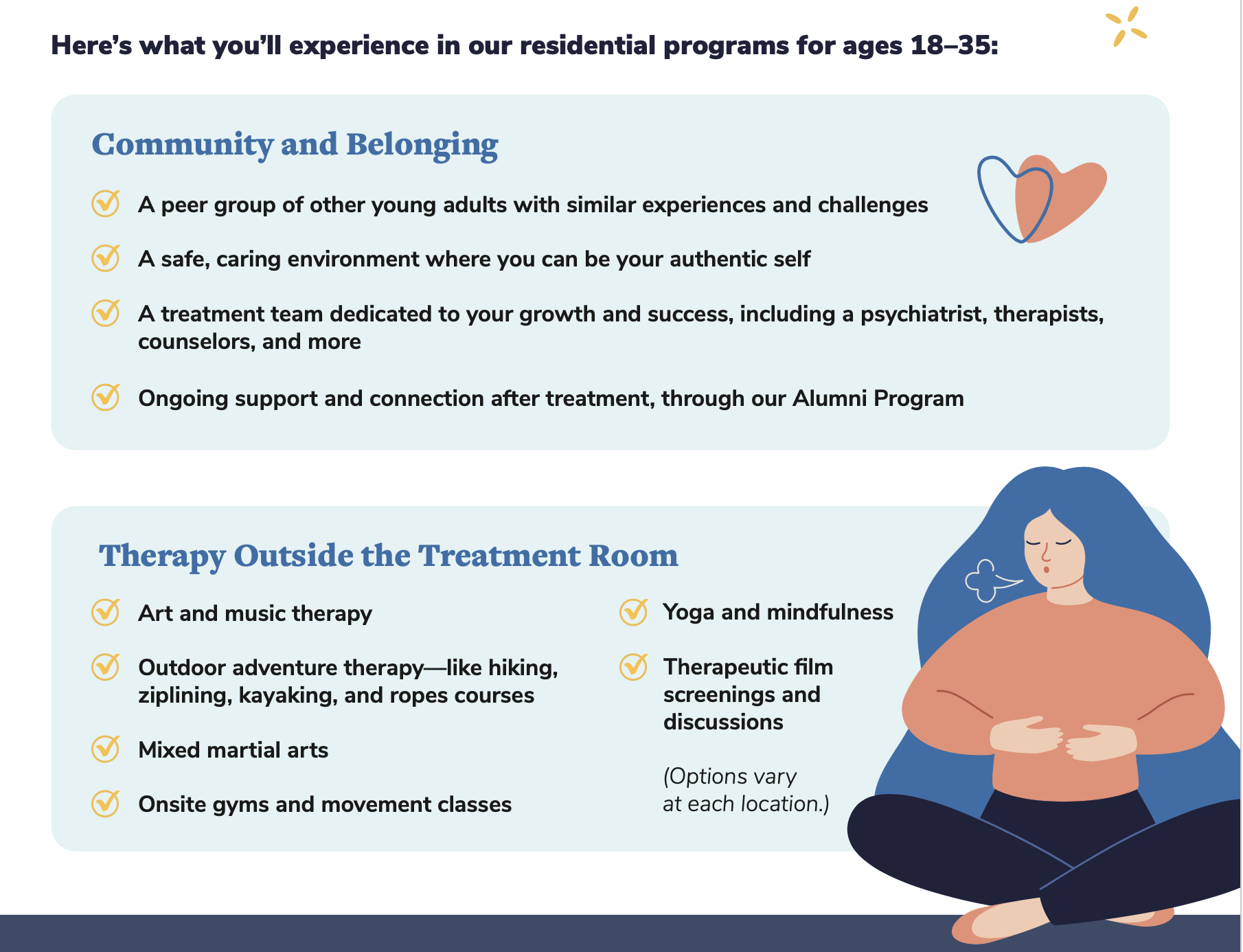
What Treatment Is Like at Newport Institute
Download our flyer describing the activities and support young adults will experience when they choose residential mental health treatment at Newport Institute.
Frequently Asked Questions
Can a relationship cause depression?
How do you know if a relationship is ruining your mental health?
How do you fix relationship problems?
Am I losing feelings or am I depressed?