Types of Anxiety
Reading Time: 7 minutesAnxiety disorders are the most common mental health condition in the United States. Understanding what causes anxiety and how it is treated can help you find the path to recovery.
You don’t have to be held hostage to overwhelming symptoms; you can learn how to manage anxiety and resolve the underlying issues that may be triggering it.
What You’ll Learn
- What is anxiety, and how many people experience it?
- What are some of the signs and symptoms of anxiety?
- What are the most common types of anxiety?
- Which treatment approaches are most effective for anxiety?
Quick Read
Anxiety is a common experience for many people, often triggered by specific events like public speaking or tests. However, for some, anxiety becomes a frequent and overwhelming presence, affecting daily life. According to the Anxiety and Depression Association of America, approximately 19 percent of adults in the United States experience anxiety, making it the most prevalent mental health condition.
The causes of anxiety disorders are multifaceted, including genetics, personal experiences, and environmental factors. Chronic stress and trauma are significant contributors, as prolonged pressure can heighten the nervous system’s response to everyday stimuli. Trauma, whether from a single event or accumulated experiences, can lead to persistent anxiety by keeping the body in a heightened state of alert.
Anxiety disorders manifest in various forms, including generalized anxiety disorder, social anxiety disorder, and panic disorder. Symptoms can be psychological, behavioral, or physical, such as intense fear, panic attacks, or increased heart rate. Effective treatments include Cognitive Behavioral Therapy, Exposure Therapy, and EMDR, which help individuals manage and reduce their anxiety symptoms.
Questions?
We know that reaching out can be difficult. Our compassionate team of experts is here to help.
What Is Anxiety?
Everyone has the occasional experience of anxiety over the course of their lives. It might flare up before an event, like going on a date, speaking in front of others, or taking an important test; it might precede an important conversation or linger after a conflict. But for some people, anxiety tends to show up frequently, whether in relation to certain situations or as a general feeling of dread or alarm. In fact, the Anxiety and Depression Association of America (APAA) says that around 19 percent of Americans over 18 years of age have anxiety, making it the most common mental health condition in the US.
The frequent or overwhelming experience of anxiety is not always easy to understand, especially for those who do not struggle with it. They may wonder why anxious people can’t stop worrying or obsessing over things. It may look like dramatizing or an excessive display of emotion, and without a clear explanation, it can seem difficult to accommodate. However, for those experiencing chronic anxiety, the physical and mental symptoms can be extremely taxing. They may also be confused, not knowing why they can’t calm down.
Stress is a response to threats in our environment, and anxiety is a response to stress. Anxiety involves the physiological fear response, where the nervous system is on alert, anticipating having to react quickly to danger. This state can induce symptoms such as intrusive negative thoughts, a pounding heart, an overwhelming sense of dread, paranoia, and an emotional or irritable mood. To understand anxiety, it’s important to understand what’s causing stress.
What Causes Anxiety?
What causes anxiety? The development of an anxiety disorder stems from a combination of factors, such as genetics, personal experiences, environment, and physiology. Here are some things that can cause anxiety:
- Trauma
- Chronic stress
- Childhood experiences
- Panic disorders
- Medications, including herbal medications
- Alcohol or drug use
Anxiety can be as psychological as it is physiological, so if your anxiety is severe, it’s important to seek out both medical and mental health treatment profes
How Chronic Stress and Trauma Impact Anxiety
Can chronic stress really cause anxiety? While the occasional experience of stress is common, the presence of chronic stress eventually provokes a response in the nervous system. If you have been under constant pressure at work or school or in relationships for years, you may start experiencing a heightened response to common stimuli, such as an email from your boss, an assignment you forgot about, or your significant other not answering your messages. Regularly being on edge can trigger anxiety and even panic attacks.
Additionally, trauma is a common source of anxiety, whether it’s accumulated trauma from many experiences over time or a single traumatic event. Trauma involves the real or perceived threat that your life is in danger. Abuse, abandonment, neglect, serious injury, violence, or witnessing violence can all be traumatic, and unresolved trauma continues to activate the nervous system’s fight or flight response, leading to anxiety.
Types of Anxiety Disorders
Anxiety can develop into a disorder that affects your mental, emotional, and physical health. Here are some of the most common anxiety disorders:
Generalized Anxiety Disorder (GAD)
This condition involves a chronic or continuous feeling of dread that interrupts your normal life activities. Extreme worrying, difficulty relaxing, inability to concentrate, stomach pains or headaches, and pervasive restlessness are common symptoms of GAD.
Social Anxiety Disorder (SAD)
This condition includes an intense fear of social situations and a preoccupation with being humiliated or embarrassed in front of others. Social Anxiety Disorder is the most prevalent anxiety disorder, affecting one in 10 teens and adults in the US, according to the American Psychiatric Association (APA). Approximately 12 percent of women and 14 percent of men will experience it at some point in their lives.
Panic Disorder
Someone with panic disorder experiences frequent panic attacks, where the body’s fight or fight response is fully activated. Panic disorder can run in families and may be influenced by stress and environmental factors. Panic attacks can also be a result of trauma. Here are some ways to prevent panic attacks.
Specific Phobias
Phobias involve an overwhelming fear of something specific, such as snakes (ophidiophobia), spiders (arachnophobia), heights (acrophobia), enclosed spaces (claustrophobia), flying (aerophobia), needles (trypanophobia), or crowds (agoraphobia). The fear response can trigger a range of physical symptoms, such as rapid heartbeat, sweating, trembling, and even panic attacks. These phobias can interfere with daily life, making it difficult for individuals to engage in normal activities or situations that may involve their fear.
Hypochondria, or Illness Anxiety Disorder
Hypochondria, now more commonly referred to as Illness Anxiety Disorder (IAD), involves excessive worry about having a serious illness despite having little or no medical evidence to support such concerns. Those with hypochondria may make frequent doctor visits for reassurance, undergo numerous medical tests, or seek second opinions, often without finding any medical basis for their concerns.
Obsessive-Compulsive Disorder (OCD)
OCD is now classified in the category of Obsessive-Compulsive and Related Disorders, rather than anxiety disorders. However, it is often related to or co-occurring with anxiety. OCD is characterized by persistent, unwanted thoughts (obsessions) and repetitive behaviors or mental acts (compulsions) that an individual feels driven to perform in response to the obsessions. These obsessions and compulsions can significantly interfere with daily functioning, relationships, and overall quality of life, and the time spent on them can be all-consuming, leading to distress and impairment.
Post-Traumatic Stress Disorder (PTSD)
PTSD is a mental health condition that can occur after experiencing or witnessing a traumatic event. It is characterized by a range of symptoms that may include: increased irritability, difficulty sleeping, hypervigilance, flashbacks, nightmares, or intrusive thoughts about the traumatic event. PTSD can affect anyone who has experienced a traumatic event, including military veterans or survivors of accidents, natural disasters, sexual assault, or other violent incidents. However, not everyone who experiences trauma will develop PTSD. According to the U.S. Department of Veterans Affairs, around 7–8 percent of the general population will experience PTSD at some point in their lives.
Signs and Symptoms of Anxiety
Signs and symptoms of anxiety may include psychological, behavioral, and physical manifestations.
Psychological Symptoms of Anxiety
Here are some of the psychological or emotional signs of an anxiety disorder:
- Intense fear of certain people, places, or things
- Extreme worry or negative spiraling
- Intrusive thoughts of adverse outcomes or death
- Extreme anger or irritability
- Paranoid thoughts, such as imagining that others are conspiring against you
- Low self-esteem
- Insecurity and/or extreme preoccupation with self-image
- An overwhelming sense of dread or impending disaster
Behavioral Signs of Anxiety
People with anxiety may exhibit the following behaviors:
- Frequent crying
- Panic attacks
- Avoidance of certain people, places, or things
- Isolating behavior
- Frequent emotional outbursts that are out of proportion to the situation at hand
Physical Symptoms of Anxiety
Anxiety can also manifest in somatic (body-based) symptoms, including:
- Increased heart rate or pounding heart
- Stomach pain, headaches, migraines, or muscle aches
- Sleep problems
- Changes in appetite
- Sensitivity to light and sound
- Excessive sweating
Anxiety and depression often co-occur. If you’re having symptoms of anxiety and also feeling worthless, apathetic, fatigued, and hopeless, you may be experiencing a major depressive episode or another form of depression. If you’re experiencing suicidal thoughts, get in touch with a treatment professional immediately.
Treating Anxiety Disorders
There are a number of effective treatments for anxiety disorders and OCD. Some treatment approaches include:
Exposure and Response Prevention (ERP) Therapy
ERP therapy is a specialized form of CBT that is considered the gold standard for treating OCD. ERP therapy involves gradually exposing individuals to the thoughts, situations, or objects that trigger their obsessive fears, while simultaneously preventing the compulsive behaviors they typically use to alleviate their anxiety.
Cognitive Behavioral Therapy (CBT)
CBT is a very effective form of treatment for anxiety, and it involves examining negative thought processes and patterns to restructure your thinking and rewire your body’s response to what is making you anxious. Through CBT, patients learn coping strategies and relaxation techniques to manage their anxiety more effectively. Additionally, mindfulness practices such as meditation, yoga, and deep breathing exercises can help reduce anxiety and improve overall well-being.


Eye Movement Desensitization and Reprocessing (EMDR)
EMDR is a non-invasive method for resolving trauma that can be done in a therapist’s office (with a professional who is certified in EMDR). It involves processing emotions related to trauma while experiencing sensations such as alternating clicks, taps, or buzzing, inviting the brain to put away the traumatic experience like it puts away daily experiences during rapid eye movement while you sleep. Resolving trauma can be a major factor in reducing or eliminating anxiety.
Psychotherapy (Talk Therapy)
This is traditional therapy, which involves discussions with a licensed therapist. Both individual and group therapy can support your recovery from anxiety. Psychotherapy can include CBT, Dialectical Behavioral Therapy (DBT), and other approaches.
Exposure Therapy
This involves being exposing to what you’re afraid of in minor doses in order to normalize your experience and resolve anxiety. A trained therapist can guide the process of exposure therapy to maximize positive results.
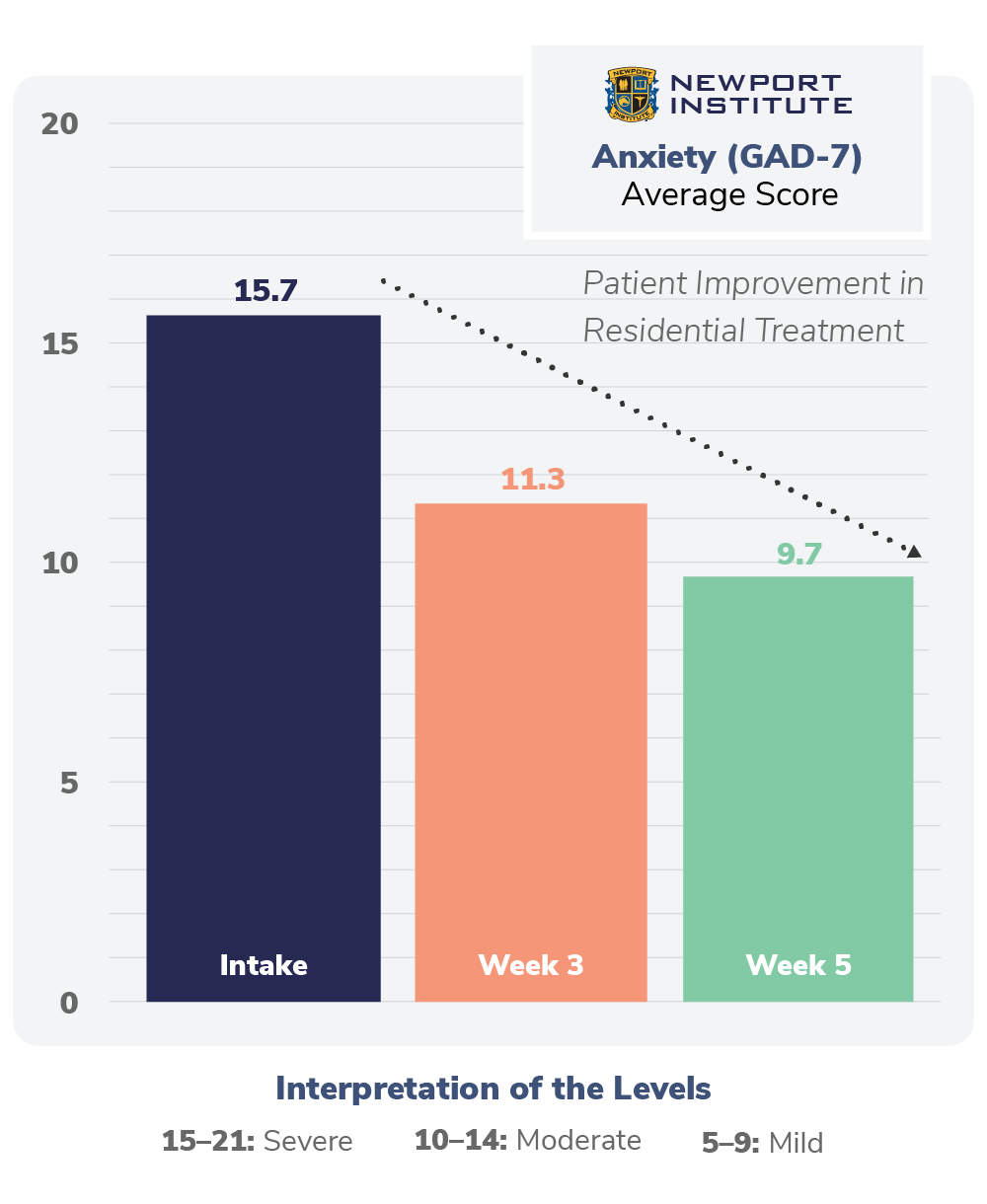
Anxiety Disorder Treatment at Newport
At Newport Institute, we understand how debilitating it can be to live with anxiety. Anxiety can affect every aspect of a young person’s life—and at times it can be made worse by other conditions, such as depression or PTSD.
Our comprehensive treatment programs help young adults ages 18–35 get to what’s causing the anxiety, so sustainable healing can begin.
Get in touch with us today to learn more and schedule a no-cost mental health assessment.
Frequently Asked Questions
What are the common types of anxiety disorders?
What are 5 signs you have anxiety?
What is the best treatment for anxiety?
What is the 3-3-3 rule for anxiety?
How do I know if I suffer from anxiety?